

Tag: Independence Palace
Showing all 4 resultsSorted by latest
-

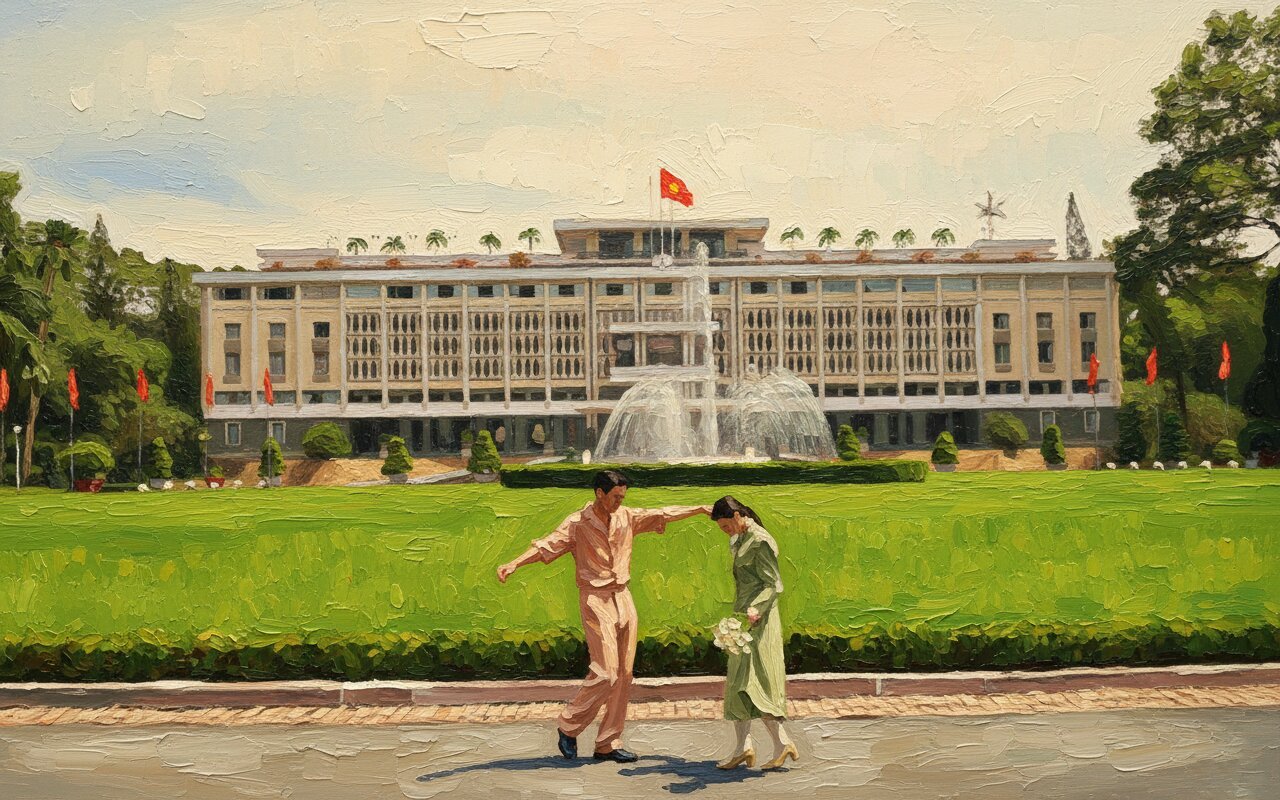
Poetic Dance Independence Palace Vietnam artwork
$123.00 $1,346.00Price range: $123.00 through $1,346.00 -
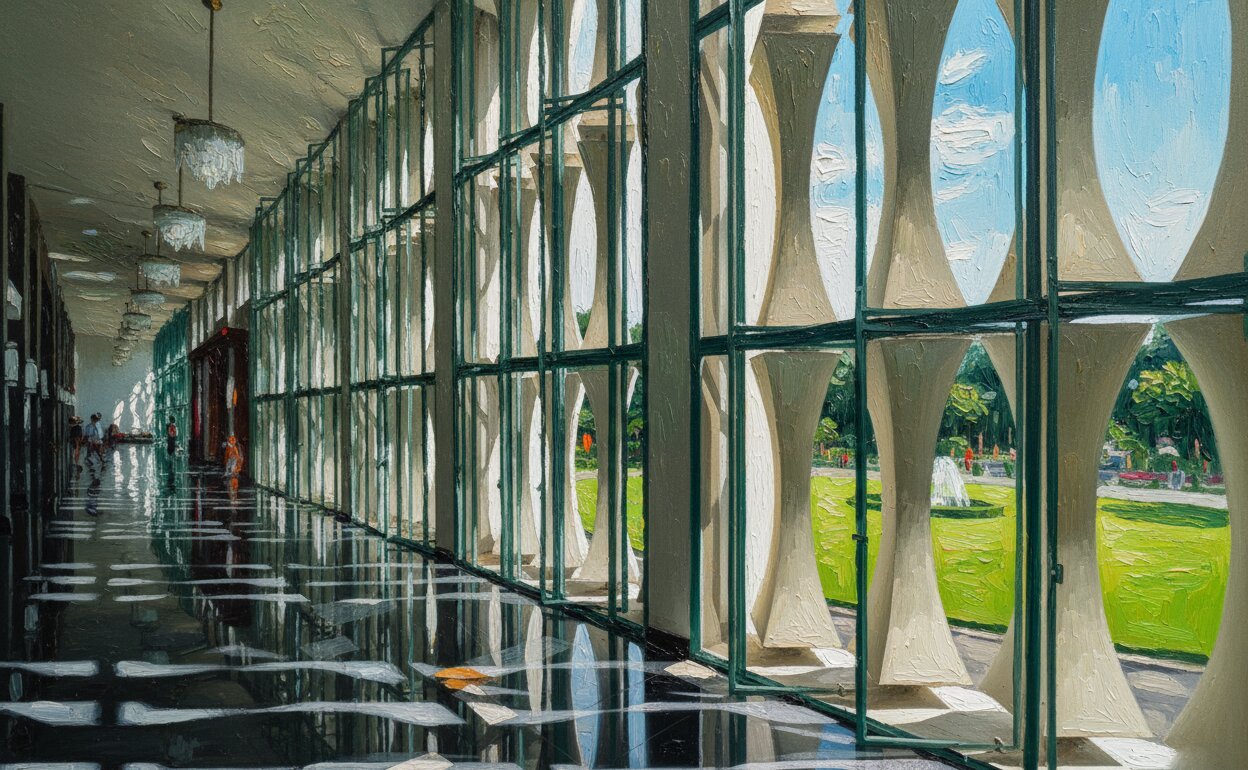
Timeless Interior Independence Palace Vietnam Painting
$124.00 $1,351.00Price range: $124.00 through $1,351.00 -
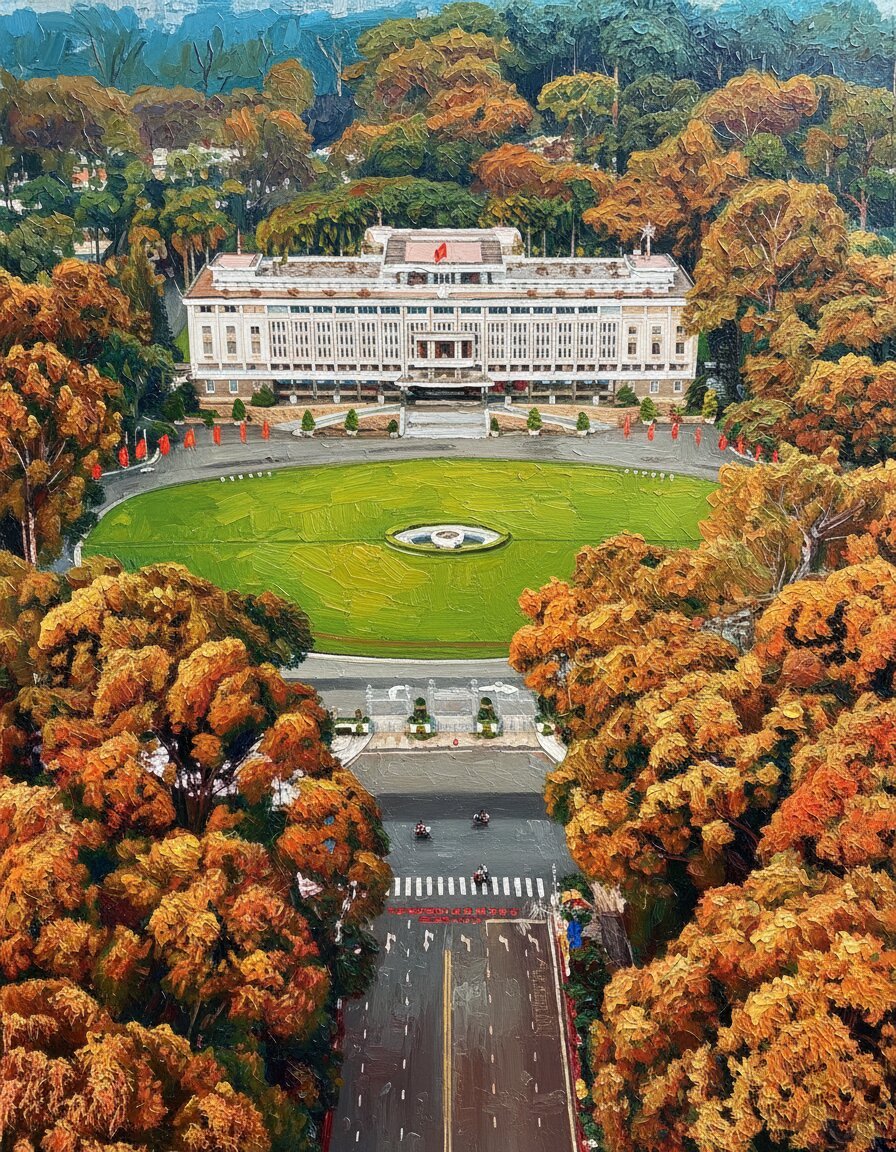
Majestic Independence Palace Vietnam wall art
$108.00 $1,388.00Price range: $108.00 through $1,388.00 -
Majestic Independence Palace Vietnam artwork
$119.00 $1,291.00Price range: $119.00 through $1,291.00

Independence Palace Wall Art — A Monument to Vietnamese History
The Independence Palace — known also as Reunification Palace — stands at the centre of Ho Chi Minh City as a monument to one of the most dramatic moments in modern Asian history. It was here, on April 30, 1975, that a North Vietnamese tank crashed through the gates, marking the end of the Vietnam War and the reunification of the country.
A Building of Extraordinary History and Beauty
Built in 1966, the Independence Palace is a masterpiece of 1960s Asian modernist architecture. Designed by Vietnamese architect Ngo Viet Thu — the first Vietnamese winner of the Grand Prix de Rome — it is an extraordinary building: elegant, bold, and deeply imbued with the symbolism of Vietnamese sovereignty.
A Painting with Meaning
An Independence Palace painting is a statement piece — a work that carries historical weight alongside visual beauty. It works particularly well in offices, study rooms, and formal living spaces where its gravitas and elegance can be fully appreciated.
Frequently Asked Questions
Is the Independence Palace open to visitors?
Yes — it is open to the public as a museum and remains one of Ho Chi Minh City’s most visited landmarks.
What perspectives are most popular?
The formal frontal view from the main gates is most popular — capturing the full symmetry and grandeur of the facade.